Tips for Creating a Relaxing Home Office Environment
Creating a relaxing home office environment is essential for maintaining focus, reducing stress, and boosting overall productivity. Whether you work from home full-time or occasionally need a peaceful spot for tasks, your workspace should encourage calm and creativity. Here are practical tips to help you design a more relaxing home office.
Choose the Right Location
Selecting the ideal spot for your home office sets the foundation for a comfortable workday.
– Quiet Area: Find a space away from household noise, such as a spare room or a quiet corner.
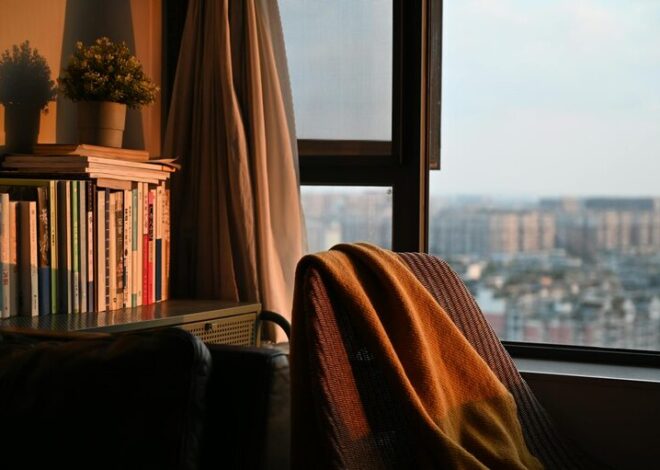
– Natural Light: Position your desk near a window to enjoy sunlight, which can improve mood and energy.
– Ventilation: Make sure the area has good airflow to keep your environment fresh.
Invest in Comfortable Furniture
Comfortable furniture is key to long hours of work without physical strain.
– Ergonomic Chair: Choose an adjustable chair that supports your back and encourages good posture.
– Desk Height: Ensure your desk height fits your seating position to prevent strain on wrists and shoulders.
– Footrest: A footrest can improve circulation and comfort during prolonged sitting.
Declutter and Organize
A tidy workspace contributes to a clear mind.
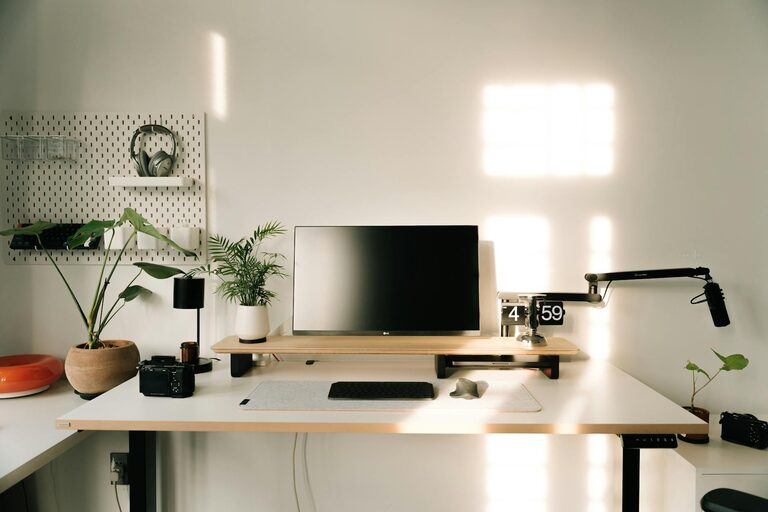
– Minimal Essentials: Keep only what you need on your desk to avoid distractions.
– Storage Solutions: Use shelves, drawers, or boxes to store supplies neatly.
– Daily Clean-Up: Spend a few minutes at the end of each day organizing your space.
Incorporate Calming Colors
Colors can influence your mood and mental state.
– Soft Neutrals: Shades like beige, soft gray, or pale blue promote calmness.
– Accent Colors: Use gentle greens or blues to add a soothing touch without overwhelming the space.
– Avoid Bright, Harsh Colors: Bright reds or oranges may increase anxiety or distract.
Add Natural Elements
Bringing in elements of nature can create a peaceful atmosphere.
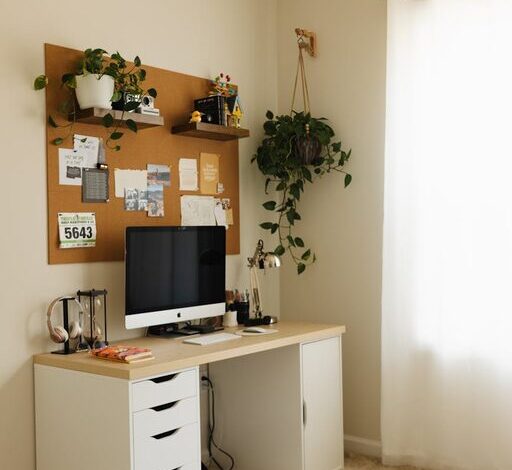
– Houseplants: Choose easy-care plants like succulents or snake plants to improve air quality and add life.
– Natural Materials: Use wooden furniture, cork boards, or jute rugs to incorporate texture and warmth.
– Nature Sounds: Consider a small water fountain or soft nature sound playlists for background calm.
Optimize Lighting
Proper lighting reduces eye strain and enhances mood.
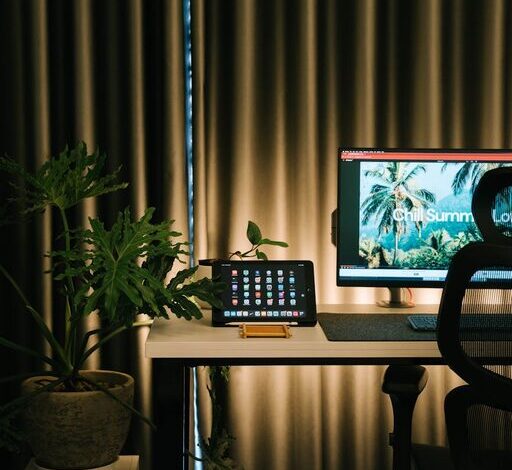
– Layered Lighting: Combine overhead lights with task lamps to control brightness.
– Warm Bulbs: Use bulbs with warm or natural tones instead of harsh white light.
– Adjustable Lamps: Select lamps you can direct toward your work area to reduce glare.
Personalize Thoughtfully
Personal touches make the space feel welcoming but avoid clutter.
– Inspirational Art: Hang artwork or quotes that motivate but don’t overwhelm.
– Favorite Objects: Display a few items that make you happy, like photos or small mementos.
– Scent: Use a subtle diffuser or candle with calming scents like lavender or eucalyptus.
Manage Technology Wisely
Technology is necessary but can be a source of distraction.
– Cable Management: Use clips or sleeves to tidy cords and reduce visual clutter.
– Screen Setup: Position monitors at eye level to promote good posture.
– Digital Breaks: Set reminders to take breaks from screens to rest your eyes.
Create a Routine-Friendly Layout
Design your space to suit how you work best.
– Zones: If space allows, create areas for different tasks—like a separate reading nook or brainstorming space.
– Accessibility: Keep frequently used items within arm’s reach to avoid disruption.
– Flexibility: Use adjustable furniture or portable tools to adapt your layout as needed.
Practice Relaxation Habits
Incorporate calming activities into your workday to maintain balance.
– Stretch Regularly: Pause to stretch and relieve tension in your muscles.
– Breathing Exercises: Take short breaks for deep breathing to reduce stress.
– Mindfulness: A simple meditation or a moment of silence can refresh your focus.
Keep It Clean and Fresh
A clean environment helps maintain a relaxed mindset.
– Regular Dusting and Vacuuming: Prevent the buildup of dust which can affect health and comfort.
– Air Quality: Open windows when possible or use an air purifier.
– Avoid Overuse of Fragrances: Use natural scents sparingly, especially if others share the space.
—
By thoughtfully designing your home office with these tips, you create a space that supports both relaxation and productivity. A comfortable, organized, and inspiring environment will help you enjoy your work-from-home days while maintaining your well-being. Remember, your workspace is personal, so adapt these ideas to suit your preferences and needs.